

Women in Construction 2026 | Redefining the Industry
For decades, construction was labeled as a “man’s industry.”
That perception shaped expectations in lecture halls, on construction sites, and inside design offices. It influenced how careers were imagined and who was expected to lead. Today, that narrative no longer reflects reality.
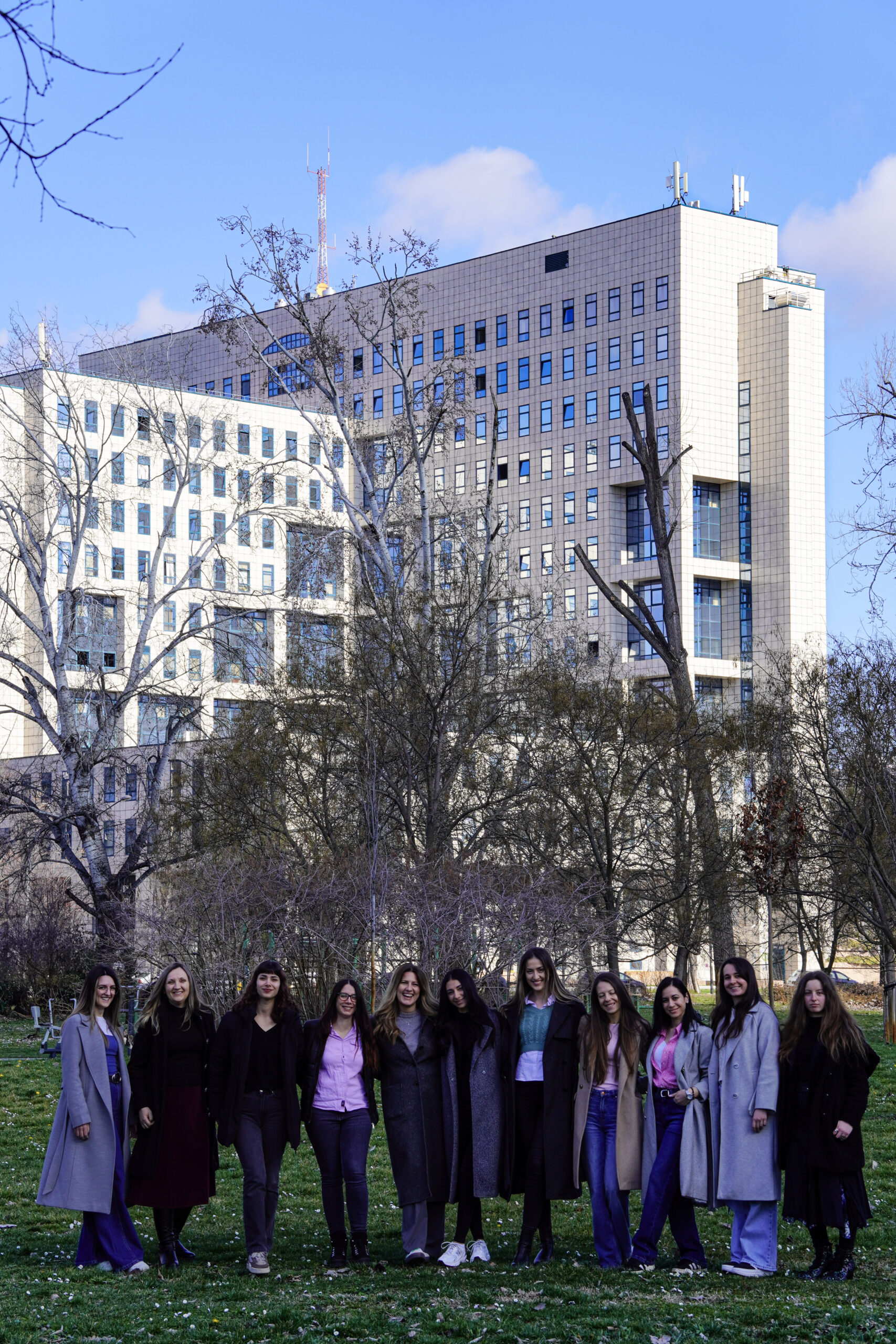
As part of this year’s Women in Construction theme, “Level Up. Build Strong.” we are not speaking about a distant future. We are speaking about what is already happening.
Women Who Chose the Challenge
One of our colleagues shared that in her university generation, there were more women than men. That is not a symbolic detail. It reflects a shift that has been unfolding steadily.
More women are choosing engineering, architecture, BIM, project management, and technical roles. They are not entering construction to prove a point. They are entering because it is a field that challenges them intellectually, rewards precision, and offers visible results.
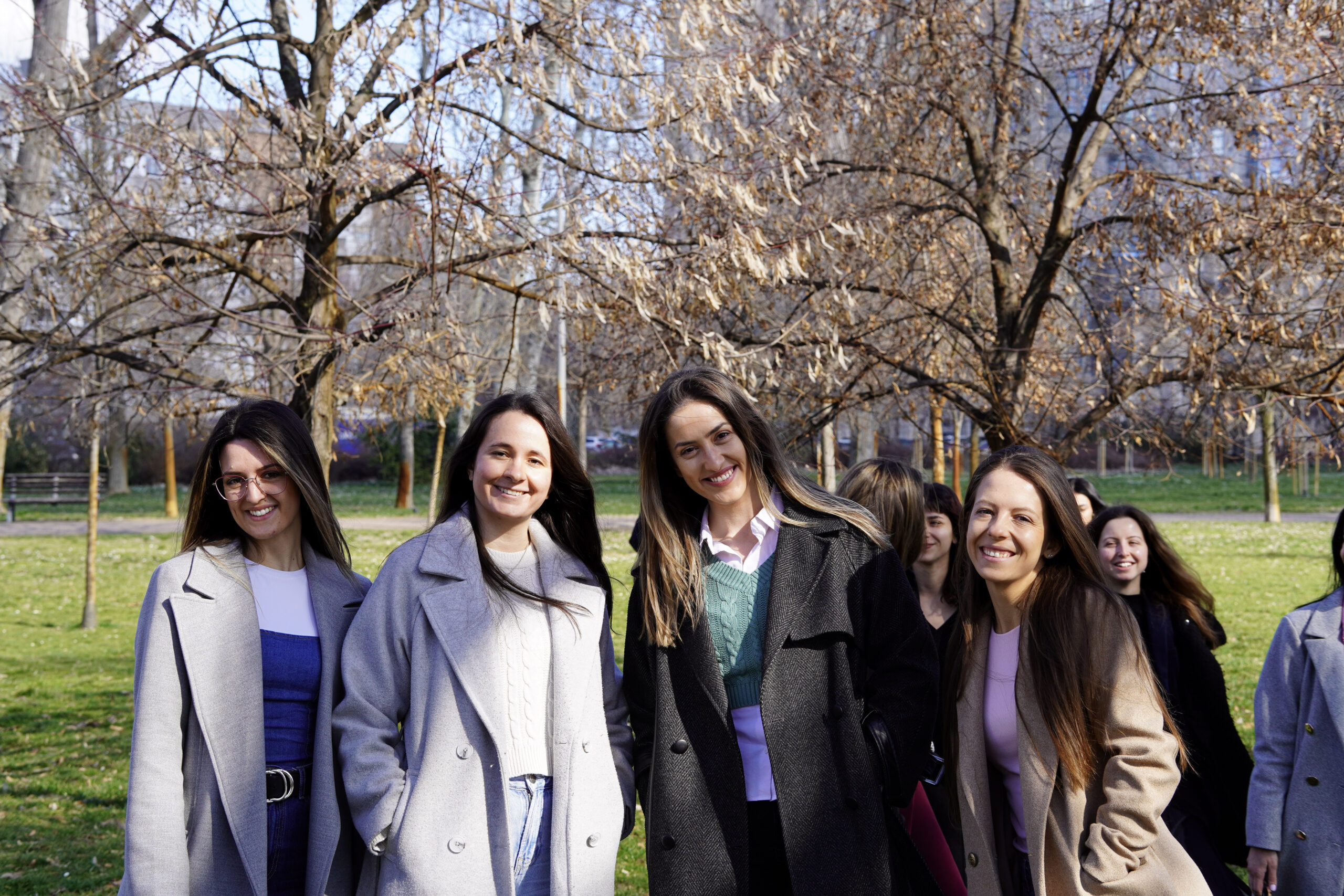
Construction remains a demanding industry. It requires accountability, discipline, and constant learning. It is fast-paced, high-stakes, and unforgiving when details are overlooked. What has changed is not the demanding nature of the field and the rigors of the profession. What has changed is who stands confidently within it.
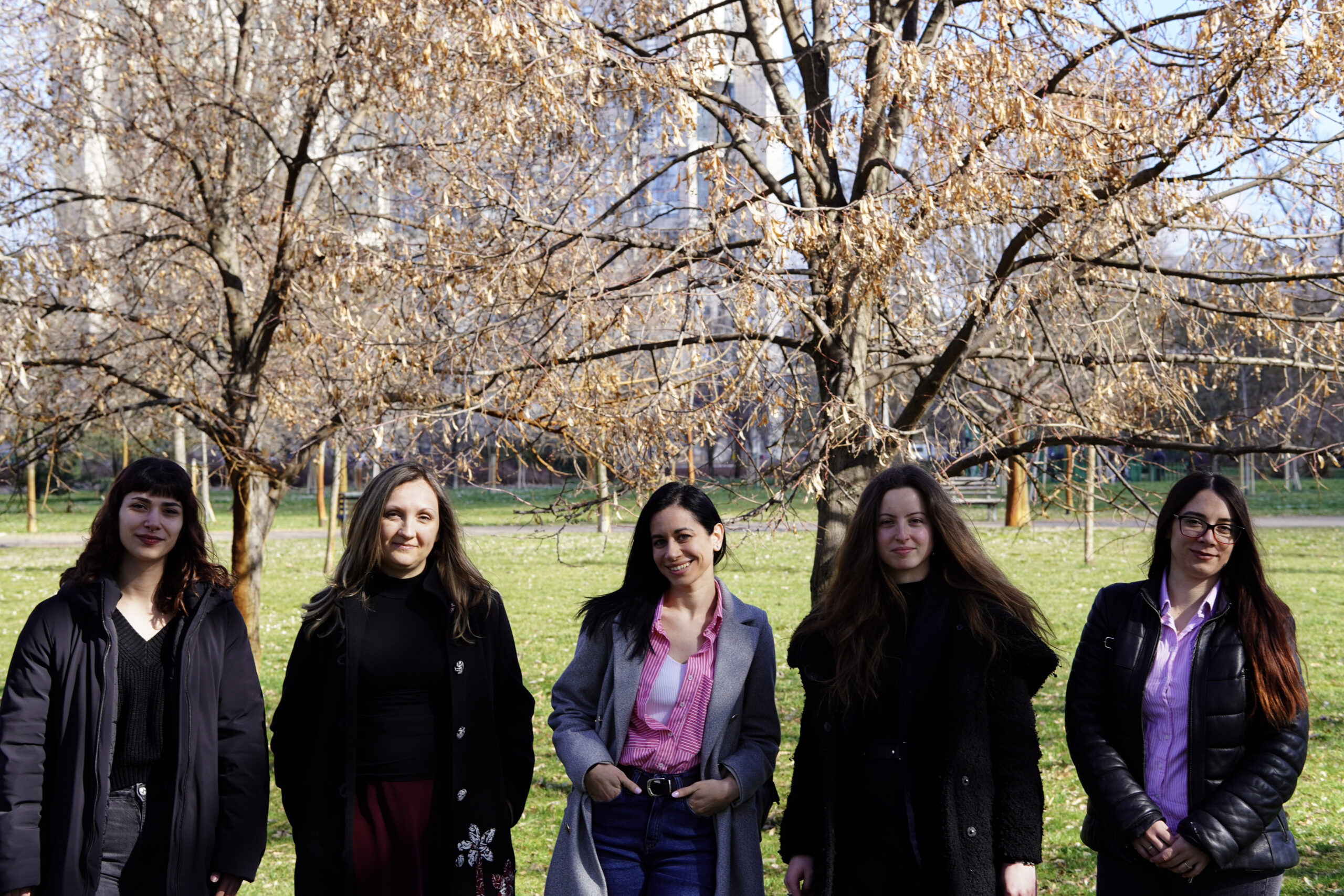
At NS Drafter, women are engineers, BIM modelers, project managers, coordinators, and technical specialists. They are not exceptions within the team. They are part of the structure that keeps projects moving forward.
From Proving Ourselves to Leading Projects
The beginning of a career in construction can be intimidating for anyone.
Many of our colleagues remember the early days clearly. The first meetings where they questioned whether their voice would be taken seriously. The first project deadlines that felt overwhelming. The first site visits where expectations seemed high and time seemed limited.
A common thought at the start was simple: Am I ready?
There were moments when some felt underestimated. Situations where additional explanation seemed necessary. Instances where they sensed they had to demonstrate competence more explicitly.
These experiences did not discourage them. They became part of professional growth.
Over time, uncertainty was replaced by experience. Experience built confidence. Confidence allowed initiative.

Today, those same women lead coordination meetings, manage deadlines, present technical solutions, and make critical decisions. They are trusted with responsibility because they have proven consistency. Authority did not arrive through titles alone. It was built through delivery.
They learned that in construction, credibility is cumulative. It grows with every completed drawing, every solved coordination issue, every project handed over without delay.
The Advantage Women Bring to Construction
When discussing the impact women have within the industry, it is not about symbolic representation. It is about measurable contributions.
Systematic thinking is one of the most evident strengths. Complex problems are broken down into manageable components. Interdisciplinary conflicts are identified early. Drawings are reviewed thoroughly before release. This structured approach minimizes ambiguity and prevents costly misunderstandings.
In construction, small oversights can escalate quickly. A misaligned detail, an unclear note, an overlooked dimension, each has consequences. Systematic review reduces risk before it reaches the site.
Organization is another defining quality. Women in our team often manage multiple workflows simultaneously. They coordinate with architects, structural engineers, and MEP teams while responding to contractor inquiries and tracking revisions. Multitasking in this environment is not chaos. It is controlled parallel processing.
Collegiality also shapes daily operations. When pressure increases, collaboration intensifies rather than fragments. Knowledge is shared openly. Responsibilities are redistributed when necessary. This team-oriented mindset reduces individual stress and strengthens collective performance.
Attention to detail becomes visible in documentation. Clear labeling, consistent structuring, precise notation – these are not cosmetic improvements. They influence buildability. Contractors rely on clarity. Site teams depend on reliable information. Detailed documentation prevents interpretation errors that lead to delays.
Persistence is another defining factor. Projects rarely move in straight lines. There are revisions, approvals, additional requests, regulatory adjustments, and technical obstacles. Persistence ensures that solutions are pursued until they are complete.
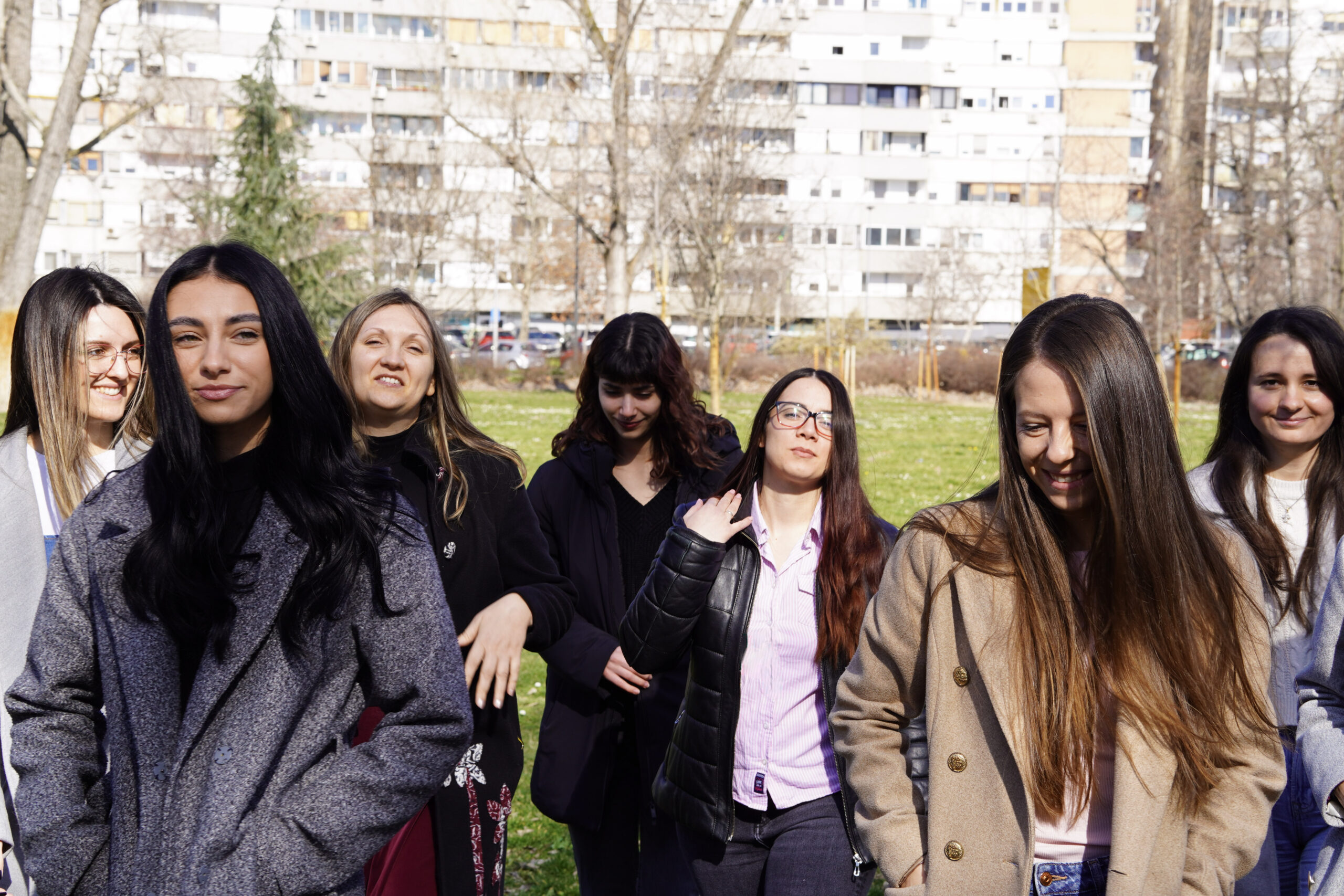 One example illustrates this consistency.
In the past seven years, one of our colleagues has led 144 major projects. That volume reflects not only technical skill but also endurance, adaptability, and trust from clients and partners.
Beyond the Bias: What Construction Really Demands
The myth that construction is inherently a male profession still appears occasionally. In practice, the industry demands competence, not conformity.
Construction requires analytical thinking, technical precision, communication skills, time management, and resilience. It requires the ability to remain calm under pressure and to prioritize effectively. These capabilities are not defined by gender.
Female authority on site is often perceived as harder to establish. Our experience shows something different. Authority is linked to reliability. When documentation is accurate, coordination is effective, and problems are resolved quickly, respect follows.
Women in construction often balance additional layers of responsibility. Many manage both demanding professional roles and personal commitments. This balance strengthens time management skills and strategic planning. It encourages efficiency and clarity in decision-making.
They also navigate evolving expectations. The industry is modernizing through digitalization, BIM integration, and advanced modeling processes. Continuous learning is essential.
Women in our team actively invest in developing new technical skills and understanding updated standards.
Construction today is not only about physical execution. It is about digital precision, data accuracy, and interdisciplinary coordination. Women contribute directly to this transformation.
Real Impact on Projects
At NS Drafter, women contribute to projects that move from design to execution without disruption. Their impact can be seen in reduced revision cycles, improved clarity of reinforcement detailing, smoother BIM coordination, and stronger communication with stakeholders.
They participate in early-stage modeling discussions, ensuring constructability is considered from the beginning. They anticipate potential congestion zones in reinforcement layouts. They align structural intent with real-world execution constraints.
This proactive thinking improves outcomes.
Projects benefit from early problem identification. Teams benefit from structured workflows. Clients benefit from reliability.
The industry benefits from diversity of perspective.
Level Up
The Women in Construction theme this year emphasizes growth, resilience, and excellence. Growth does not happen automatically. It is built deliberately. It requires effort, learning, and consistent delivery.
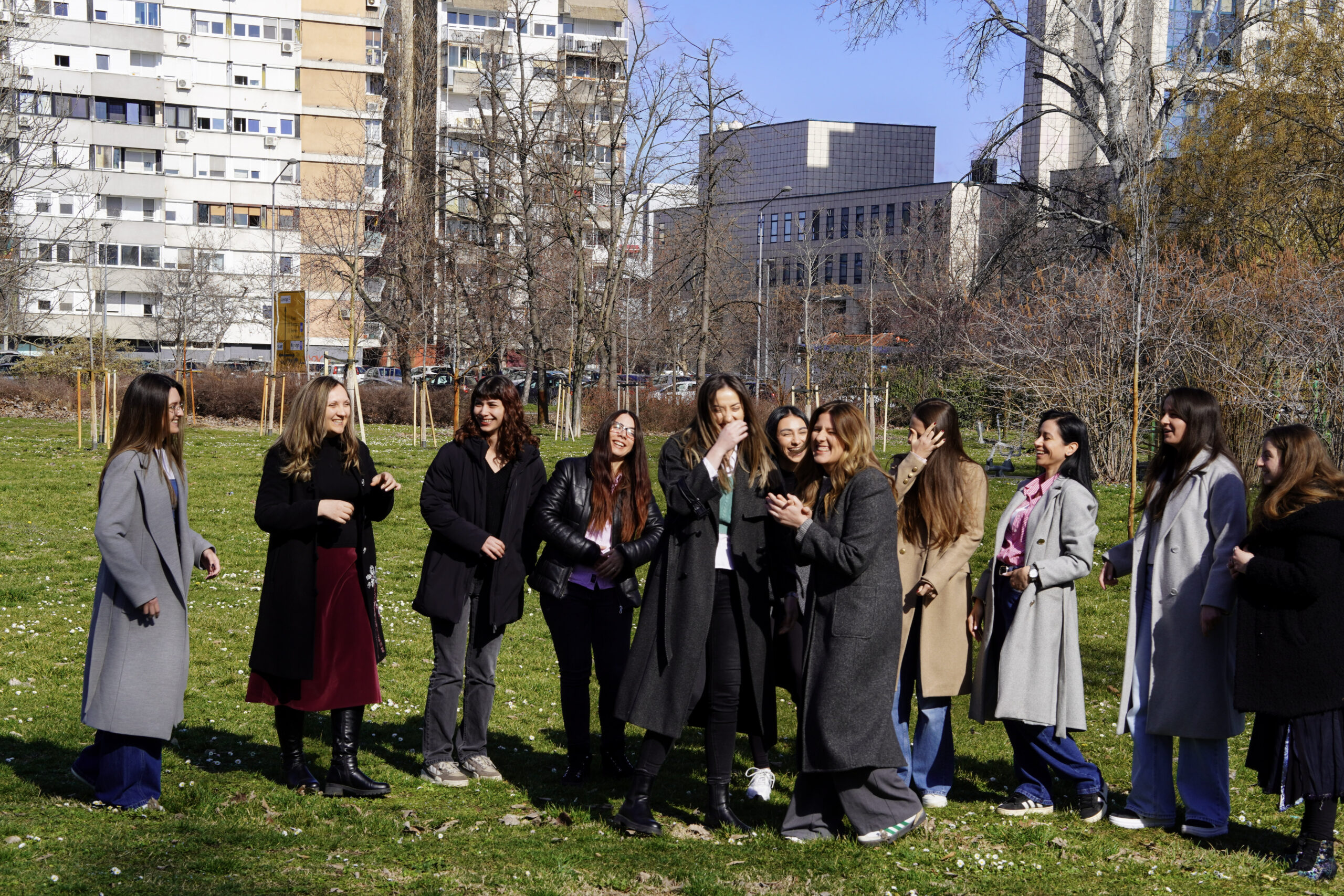
The 45 percent growth of women in construction roles over the past decade reflects momentum. But numbers alone do not define change. Real change appears in daily collaboration, leadership roles, decision-making processes, and measurable results.
Through this story, we aim to highlight the women within our company. They are professionals whose contributions shape our projects every day.
We also want to speak to the next generation. To students considering engineering. To young professionals entering their first design office. To women who may question whether they belong in construction.
You do.
Construction offers responsibility. It offers visible outcomes. It offers leadership opportunities and technical depth. It demands discipline but rewards competence.
If the message is “Level Up. Build Strong.”, then our message is clear. Continue developing your knowledge. Continue taking ownership of your work. Continue building confidence through experience.
The industry evolves through the people who commit to it. Women are not waiting for permission to participate. They are already leading, coordinating, designing, and delivering.
They are not the future of construction.
They are its present.
