

BIM2Field Case Study: 6 Clear Benefits for Contractors
BIM2Field is a construction approach that brings the digital BIM model directly to the job site, replacing traditional 2D drawings with real-time, model-based data. It enables contractors to execute work more accurately, efficiently, and with fewer errors by using coordinated 3D information during every stage of construction. Acts as a bridge between design and construction. For a deeper dive into how it connects digital design to field, check out this blog.
This BIM2Field case study explores how model-based construction transformed the execution of a large reinforced concrete project in Germany. The project included foundations, structural walls, slabs, and columns. By implementing a BIM2Field workflow with Trimble Connect and Allplan – based rebar modeling, the team significantly improved speed, accuracy, and communication, while reducing project risk and on-site errors.
Project Background
The project required:
Complex reinforced concrete elements
Detailed rebar placement
Accurate positioning of embedded parts
Coordination between designers, detailers, supervisors, and field crews
This made the project an ideal candidate for a case study, showing how digital tools can replace traditional drawings and streamline execution.
The team used:
- Trimble Connect (online version) to share and coordinate models
- Allplan for rebar modeling and data extraction
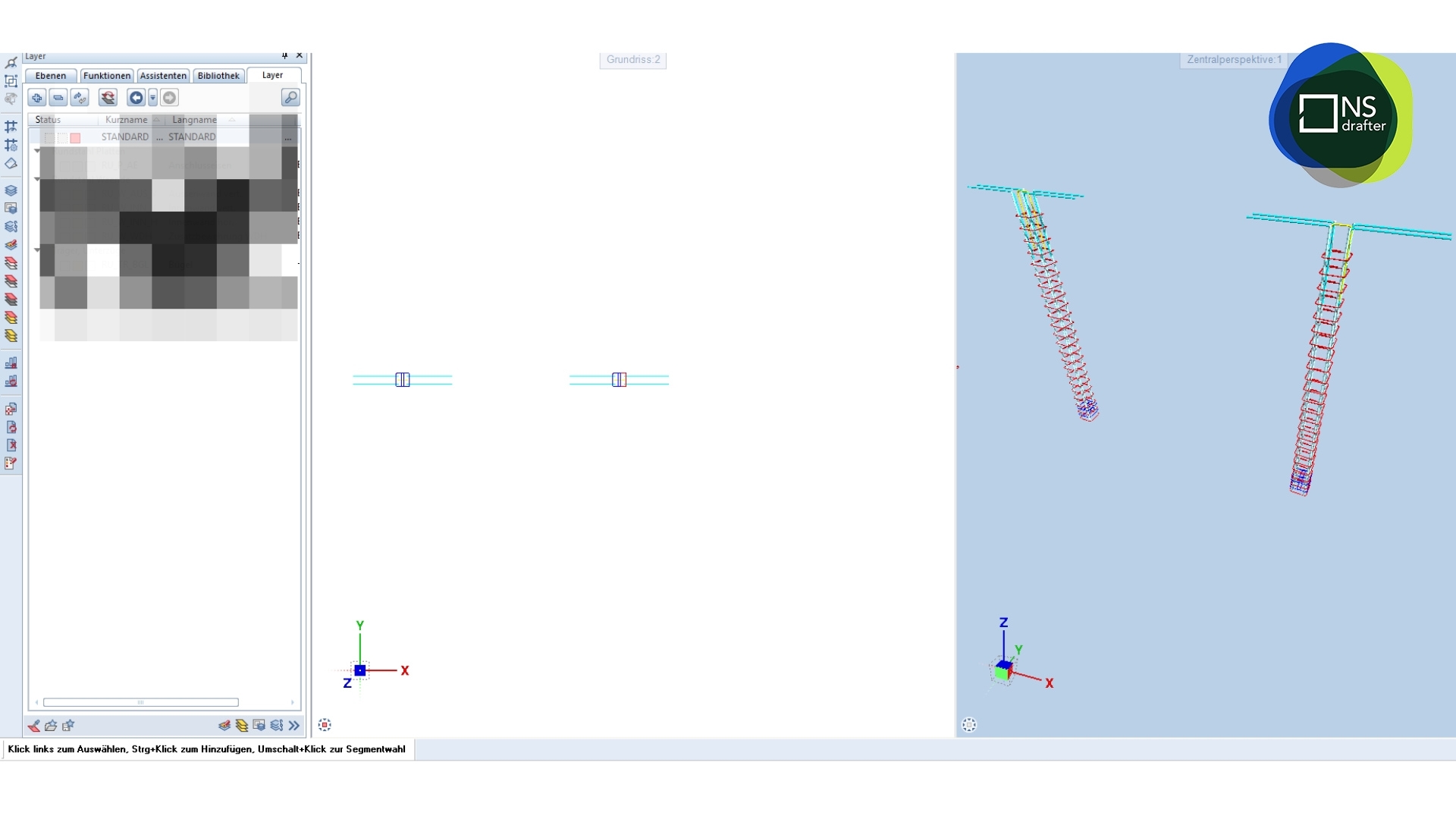
- Attribute-based filtering for element selection on-site
- Color-coded reinforcement based on bar diameter
- Minimal 2D outputs (only bending schedules)
BIM2Field Workflow
(Digital Construction Workflow)
Centralized Model Hosting in Trimble Connect
The first critical step in this case study was uploading all models to Trimble Connect, creating a shared digital environment accessible to both the detailing team and the client.
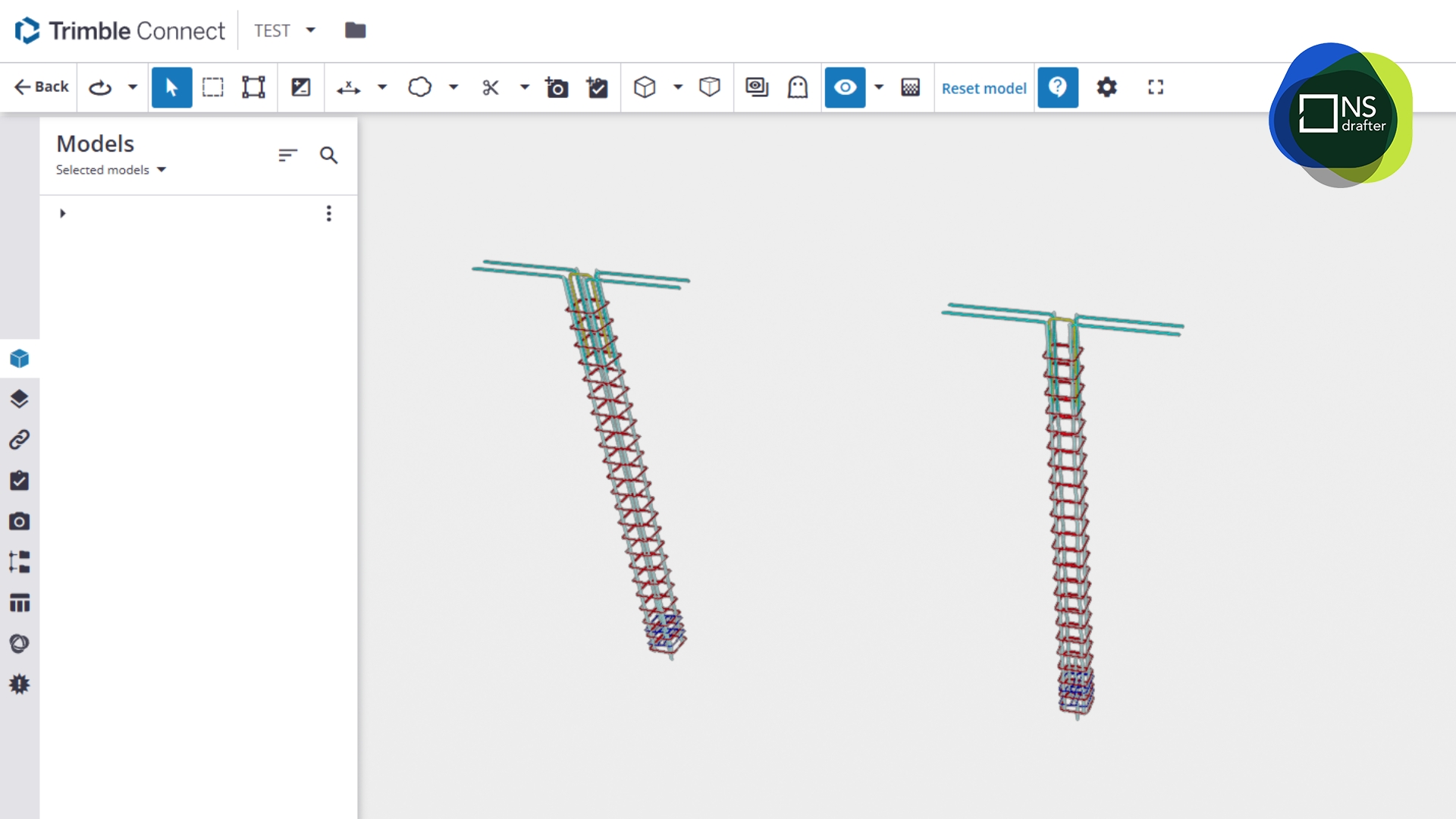
This solved common issues found in drawing-based workflows: outdated drawings, conflicting PDFs, and miscommunication between teams. With BIM2Field access, everyone used the same coordinated model.
Real-Time Field Model Access For Field Crews
On-site teams accessed the model through tablets. They filtered elements based on construction phase, element type, and attribute data such as diameter, length, zone, and position.
This greatly simplified navigation. As described in this BIM2Field case study, switching between construction elements (walls, slabs, foundations) became seamless.
Visual Change Management
Project leads used visual cues to highlight changes: color modifications for revised elements, attribute updates, and visual checking of assembly order.
This BIM2Field case study shows that when design updates occurred, the field crew immediately understood what changed, without scanning through PDFs or searching for text annotations.
Error Prevention Before Execution
One of the most valuable insights is how the model exposed errors early.
Example from the project:
One rebar zone was missing on the design PDF
Additional reinforcement was not noted
Coupler connections were not properly specified
Traditional 2D workflows would have resulted in incorrect installation. Thanks to the model, the missing reinforcement was identified, model revisions were issued, and on-site errors were prevented.
This demonstrates how BIM2Field is a preventive tool, not just a visualization tool.
Full Attribute-Based Rebar Management
Every rebar bar in the model carried crucial attributes: diameter, length, zone, position, and color-coded by diameter.
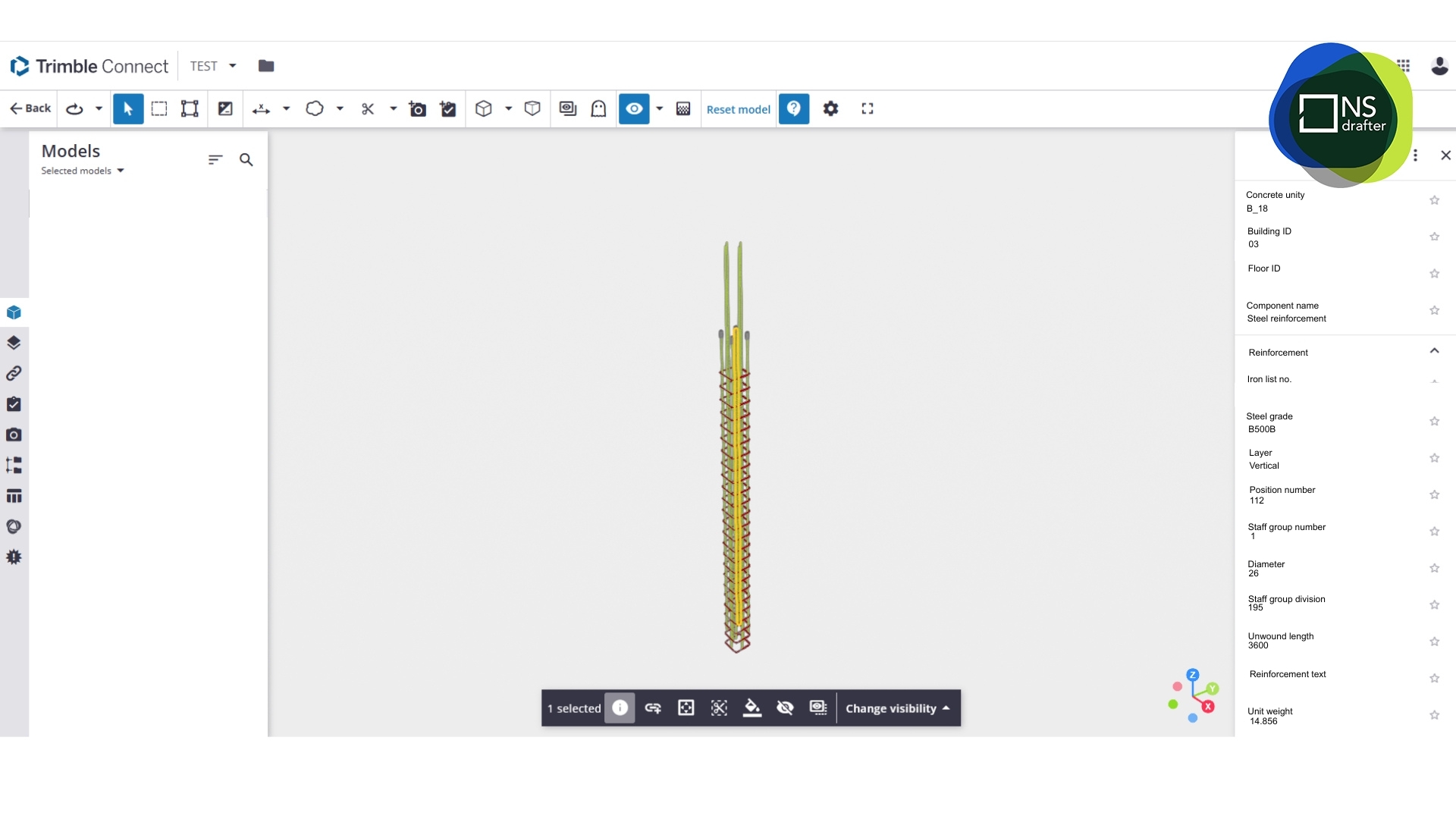
This BIM2Field case study confirms that no manual bar labeling was needed on drawings. The only 2D output was the bending schedule for procurement.
Accurate On-Site Positioning via Model Coordinates
Because the model contained exact 3D coordinates for rebar in walls and slabs, embedded parts, prefab elements, and openings and penetrations, on-site installation was highly accurate.
Workers used the model to position elements with precision, eliminating guesswork and reducing rework, a major highlight of this BIM2Field case study.
Impact Summary
This BIM2Field case study produced measurable benefits:
Coordination time: Reduced by 30-40%
Error prevention: Critical issues detected before installation
Communication: Real-time updates through Trimble Connect
Field accuracy: High precision from model coordinates
Paper usage: Reduced to only bending schedules
While this BIM2Field case study focuses on the benefits, it’s equally important to understand the potential challenges you might face. We’ve covered them in detail in this blog.
Lessons Learned
BIM2Field workflows depend on:
Ensuring all rebar attributes are correct before modeling begins.
Maintaining consistent model revisions.
Providing skilled workers who can read and interpret the BIM model.
Using cloud platforms like Trimble Connect to share updates.
Even without live syncing, controlled update cycles kept decisions aligned with model data.
Conclusion
This case study demonstrates that model-based execution significantly accelerates construction workflows. By replacing paper drawings with the digital model, the team improved productivity, reduced risk, and increased the overall quality of reinforced concrete installation.
That proves that BIM2Field is not the future, it is the present standard for projects involving reinforced concrete, prefabricated elements, and complex reinforcement layouts.
FAQ
Q: Why was this project ideal for a BIM2Field case study?
A: Because it included complex reinforced concrete elements, heavy reinforcement, and the need for precise positioning, all of which highlight the strengths of BIM2Field workflows.
Q: Which software tools were used?
A: The primary tools were:
Trimble Connect (model sharing and field access)
Allplan (rebar modeling and bending schedule export)
Q: How does BIM2Field reduce errors in a construction project?
A: Visualizing reinforcement and embedded parts in the model allows teams to detect missing bars, incorrect couplers, or coordination issues before execution.
Q: Does BIM2Field help with prefabricated elements?
A: Yes. This BIM2Field case study confirms that the same process can easily support prefab planning, installation, and quality control.
Q: What was the coordination time reduction in this case study?
A: Coordination time was reduced by 30 – 40% because there was no need for drawing cleanup, PDF edits, or repeated communication loops.
Q: Are field workers ready for a change?
A: Yes, with proper training and as long as qualified personnel follow the model carefully.
Q: How are updates handled?
A: Model updates are not live-synced, but when changes occur, the BIM coordinator updates the model and informs the field team, as described in this BIM2Field Case Study.
