
Top 10 Facts About Rebar Fabrication Process
Overview
Top 10 facts about rebar fabrication process every engineer should know:
- Rebar fabrication directly affects structural strength durability and long term performance
- Accurate rebar detailing is essential before fabrication begins
- Fabrication includes cutting bending assembling and protection processes
- Rebar controls cracking caused by shrinkage temperature and loads
- The process follows strict step by step stages cutting bending assembly and quality control
- Corrosion protection is critical for long term durability
- Different types of rebar are used depending on project conditions
- Specialized equipment CNC bending and cutting machines ensures precision
- Quality control and standards compliance are mandatory
- Modern trends include automation BIM integration and smart rebar systems
Introduction
Rebar fabrication process is a critical in modern construction, directly influencing the strength, durability, and long-term performance of concrete structures.
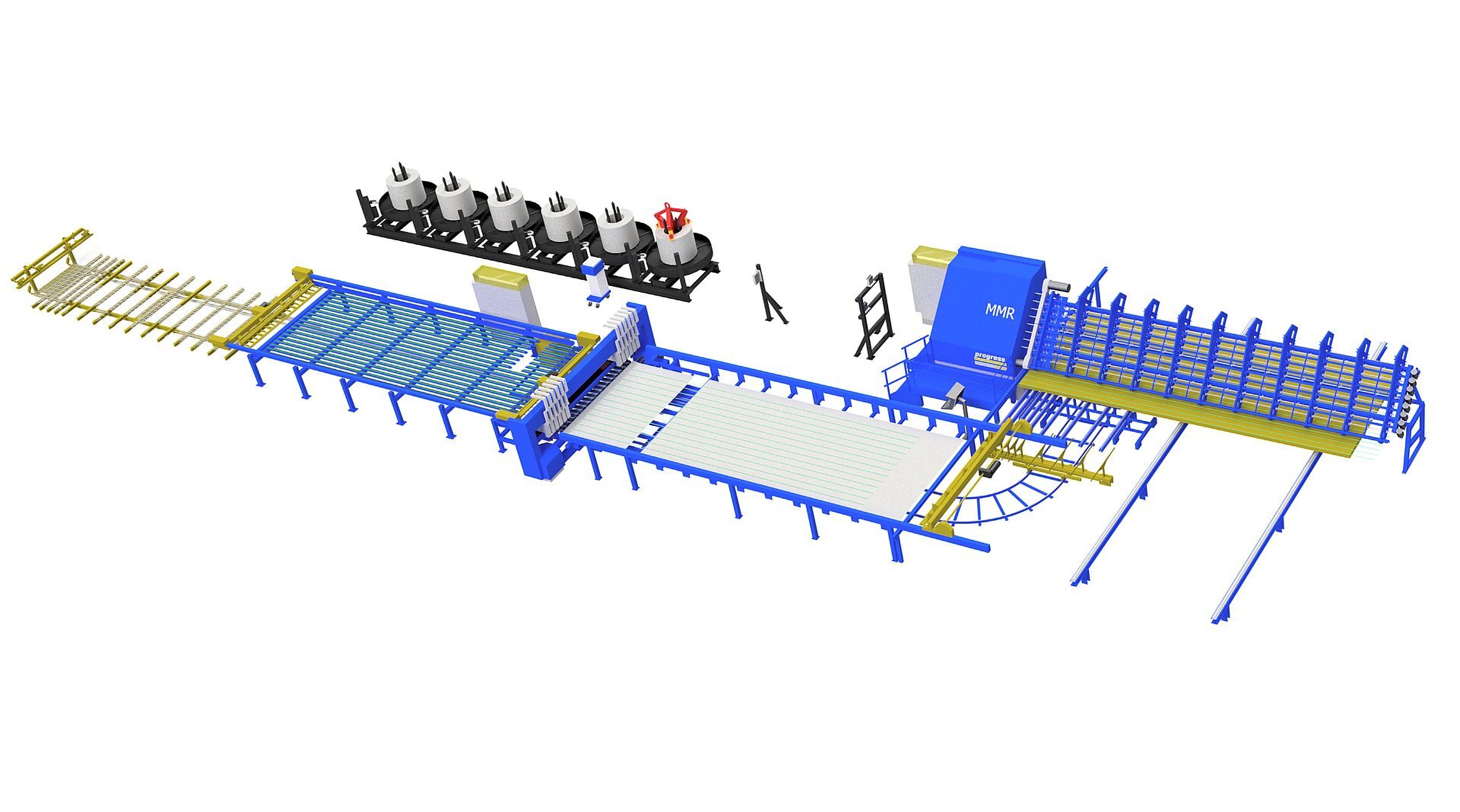
Schematic representation of a reinforcement fabrication plant, illustrating the organized production flow from raw material processing to prefabricated reinforcement elements prepared for delivery to site.
From residential buildings and commercial developments to large-scale infrastructure and industrial facilities, professional rebar fabrication ensures that reinforced concrete elements can safely withstand tensile forces, temperature variations, and heavy structural loads.
Rebar fabrication relies heavily on accurate rebar detailing. Before any cutting or bending begins, rebar detailing services translate structural drawings into precise fabrication and shop drawings.
These drawings define not only straight reinforcing bars, but also other reinforcement elements such as bent bars, stirrups, links, meshes, cages, anchors, couplers, and embedded steel components. They specify bar sizes, spacing, bending shapes, lap lengths, and placement details, ensuring that the fabrication process runs smoothly and without errors. Professional rebar detailing bridges the gap between design and fabrication, reducing rework, improving coordination, and preventing costly issues during construction.
Understanding Rebar Fabrication
Rebar fabrication typically includes:
- interpreting structural and reinforcement drawings and preparing reinforcement plans that provide specifications required for cutting and fabrication
- cutting reinforcing bars to exact lengths
- bending bars to required angles and shapes
- assembling reinforcement cages or mats
- applying corrosion protection if required
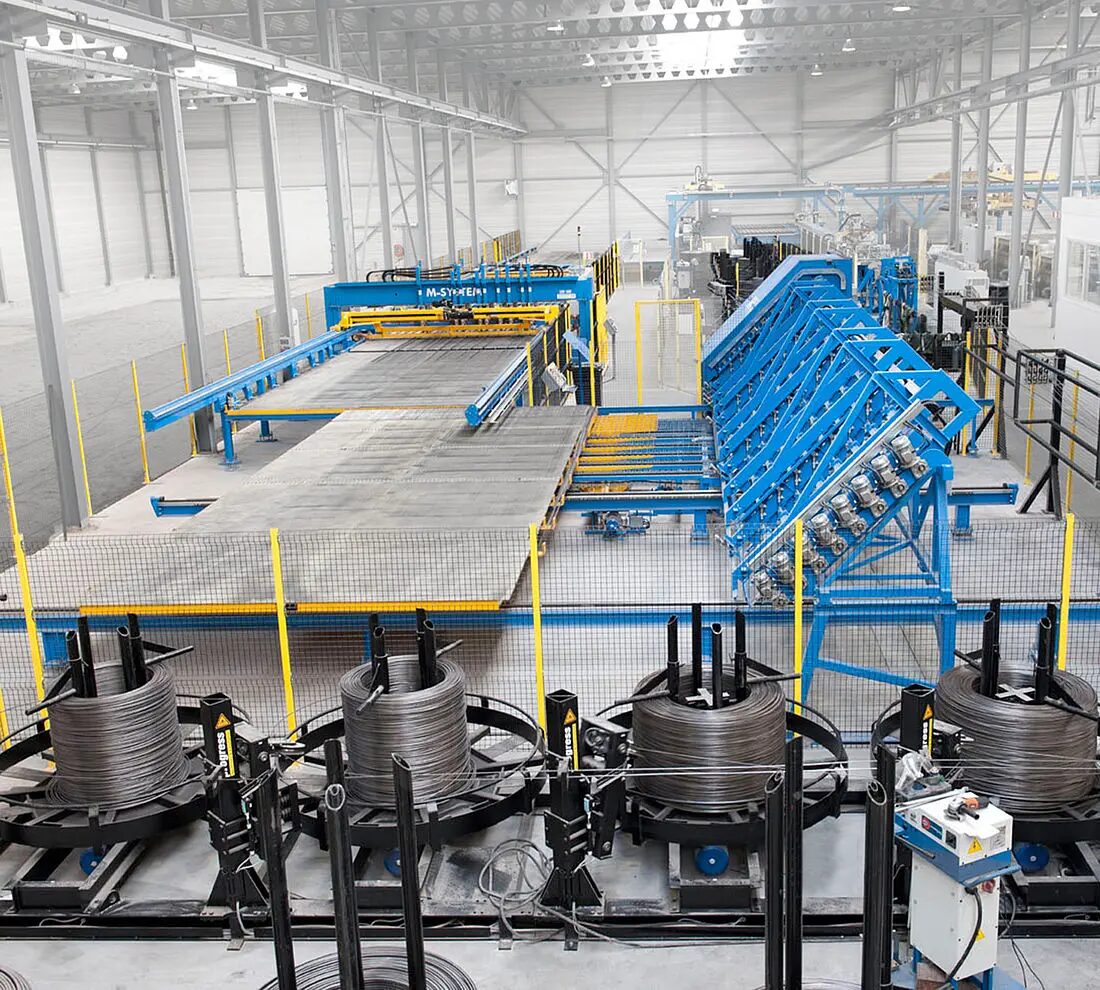 Schematic view of a reinforcement fabrication plant from a factory, illustrating the production process and material flow before delivery to site.
This process ensures that reinforcement arrives on site ready for installation, reducing on-site labor, improving accuracy, and minimizing construction delays. Industry organizations such as the Concrete Reinforcing Steel Institute provide detailed guidance on reinforcing steel fabrication and placement.
Why Rebar Is Essential for Structural Strength and Durability
Rebar fabrication in construction also plays a crucial role in controlling cracking caused by shrinkage, thermal movement, and long-term loading. As concrete cures and reacts to environmental conditions, internal stresses develop that can lead to surface and internal cracks.
Fabricated rebar cages and assemblies help manage these stresses and prevent minor cracks from developing into major structural issues.
Rebar reinforcement allows engineers and architects to design longer spans and thinner slabs, support higher loads with less material, improve resistance to seismic and dynamic forces and create complex architectural and structural forms.
In modern construction, durability and resilience are just as important as strength. Properly fabricated reinforcement ensures consistent performance throughout the lifespan of a structure, even under demanding conditions.
Rebar Fabrication Process Explained Step by Step
The rebar fabrication process involves several carefully controlled stages designed to ensure accuracy, consistency, and compliance with project requirements.
A typical rebar fabrication process includes:
- steel billet production and rolling
- cutting reinforcing bars to length
- bending bars according to drawings
- assembling cages or reinforcement units
- surface treatment and corrosion protection
- quality inspection and testing
The process begins with the production of steel billets, which are heated and rolled into reinforcing bars of specific diameters and grades.

These bars must meet strict mechanical and chemical requirements before being accepted for fabrication.
An essential step in the rebar fabrication process is professional rebar detailing.
Rebar detailing defines how reinforcement is fabricated by converting design intent into fabrication-ready drawings. These drawings are used directly by fabrication shops to cut, bend, and assemble reinforcement accurately. Without detailed and coordinated rebar detailing, fabrication efficiency decreases and the risk of errors on site increases significantly.
Surface Treatment and Corrosion Protection in Rebar Fabrication
Corrosion protection is a critical aspect of rebar fabrication, particularly for structures exposed to moisture, chemicals, or aggressive environments. Corrosion can significantly reduce the strength and durability of reinforcing steel, leading to premature deterioration of concrete structures.
Common corrosion protection methods include:
- epoxy-coated rebar
- galvanized rebar
- stainless steel rebar
Epoxy-coated rebar provides a protective barrier against moisture and chemicals, making it suitable for bridges, marine structures, and infrastructure projects. Galvanized rebar uses a zinc coating to prevent corrosion, while stainless steel rebar offers superior resistance without the need for additional coatings.
Choosing the appropriate corrosion protection method during rebar fabrication is essential for ensuring long-term structural performance and reducing maintenance costs.
Types of Rebar Used in Construction Projects
Different construction projects require different types of rebar, depending on structural demands, environmental conditions, and budget considerations.
The most commonly used types of rebar include:
- carbon steel rebar
- epoxy-coated rebar
- stainless steel rebar
- galvanized rebar
- glass fiber reinforced polymer rebar
Carbon steel rebar, often referred to as black rebar, is widely used due to its strength and cost efficiency. However, it requires adequate concrete cover to minimize corrosion risk. Epoxy-coated and galvanized rebar provide enhanced corrosion resistance, while stainless steel rebar is used in demanding environments where durability and low maintenance are critical. GFRP rebar offers a non-metallic alternative with excellent corrosion resistance and electromagnetic neutrality.
Key Equipment Used in Professional Rebar Fabrication
Professional rebar fabrication relies on specialized equipment to achieve precision, efficiency, and consistency.
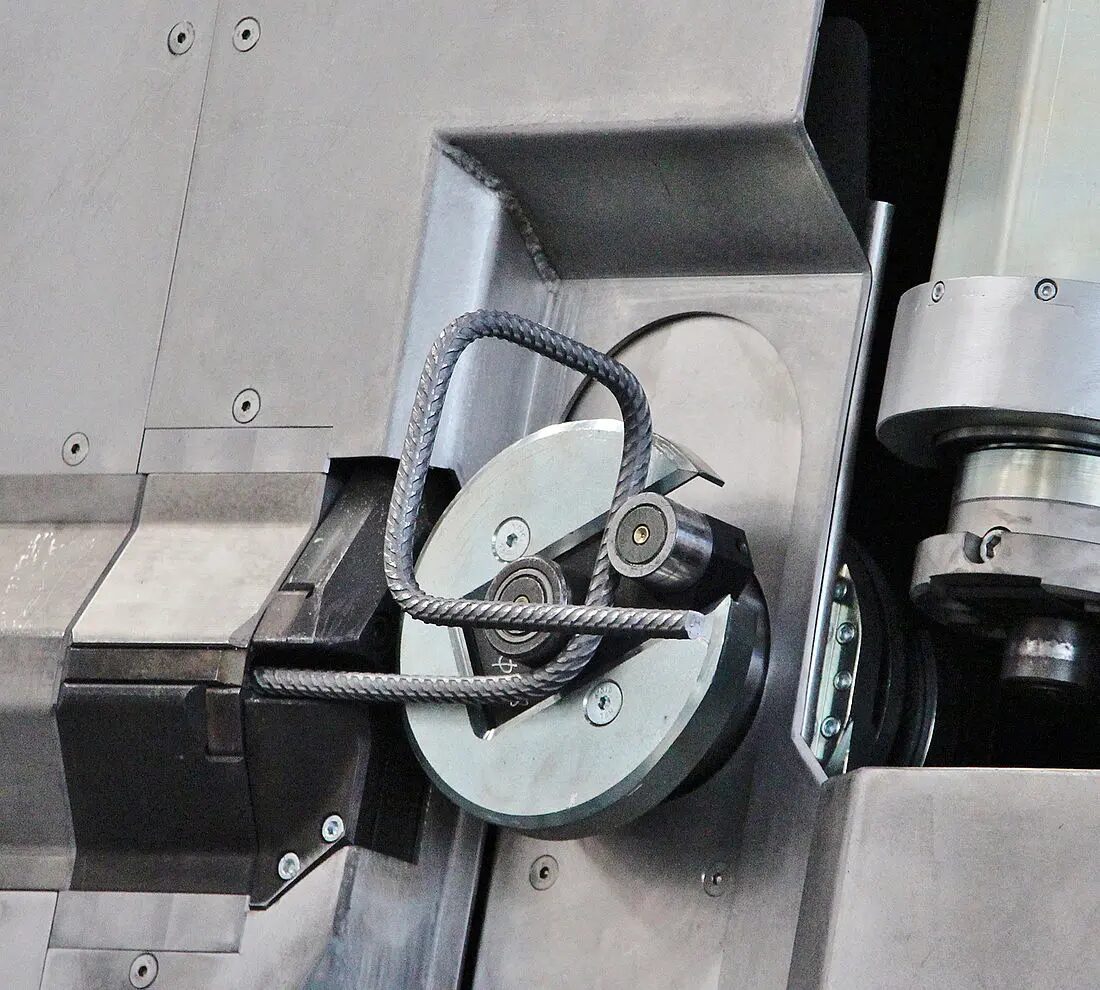 Automated bending machines used in reinforcement fabrication, enabling accurate shaping of steel bars and consistent production quality.
 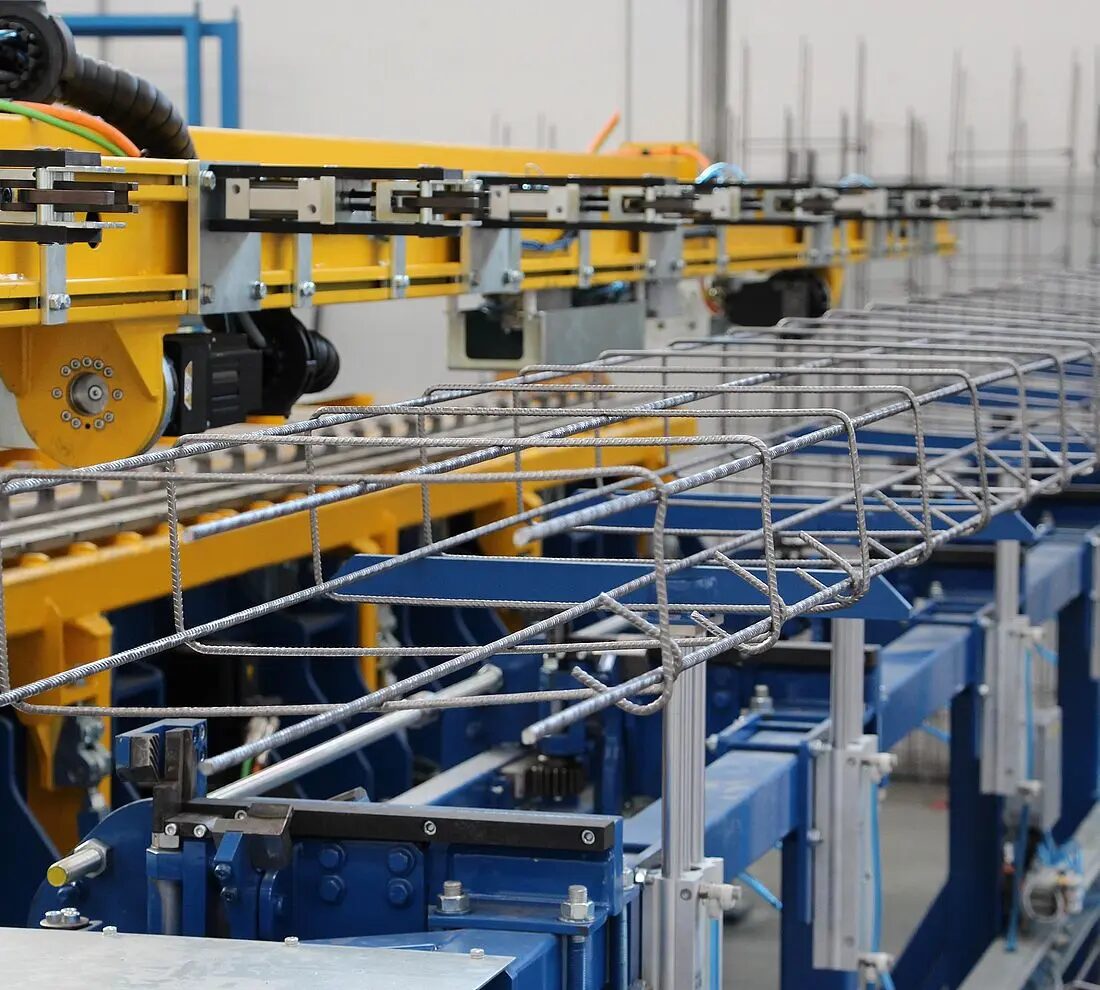 Factory-based bending machines shaping reinforcement bars with high repeatability, supporting efficient and controlled rebar fabrication.
 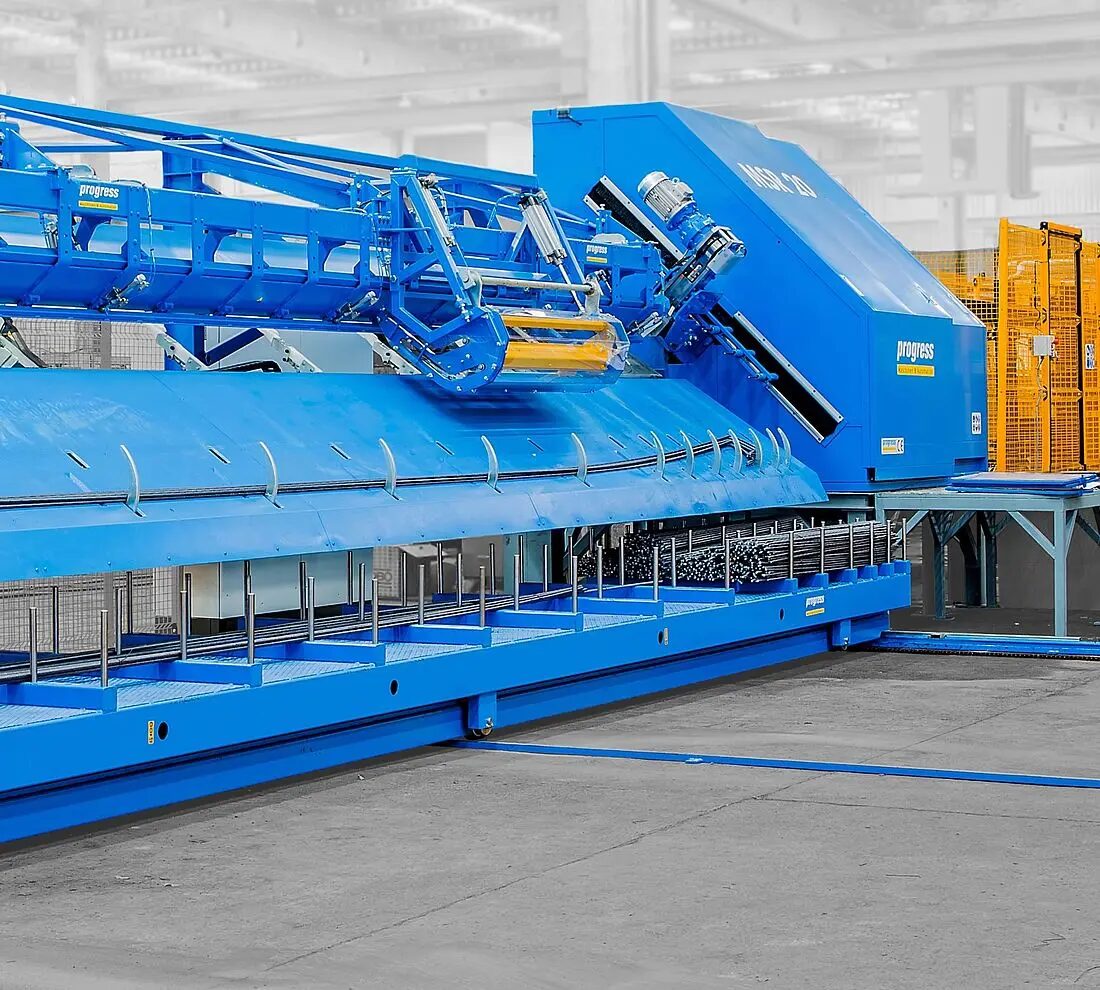 Rebar fabrication process.
Typical rebar fabrication equipment includes:
- cutting machines for accurate bar lengths
- bending machines for shaping reinforcement
- CNC bending machines for complex geometries
- rebar tying machines for cage assembly
- welding equipment for reinforcement connections
Advanced CNC machinery allows fabricators to produce a wide range of complex reinforcement shapes and assemblies with high precision and repeatability. This enables reinforcement to be manufactured off-site in various configurations and delivered to the construction site ready for installation, reducing manual bending, on-site adjustments, and supporting modern construction methods such as prefabrication and modular construction.
Quality Control in Rebar Fabrication
Quality control is a fundamental component of professional rebar fabrication and directly impacts structural safety and performance.
Key quality control measures include:
- verification of steel grades and certifications
- dimensional inspection of cut and bent bars
- surface and coating inspections
- tensile strength and mechanical testing
- compliance with applicable standards
Fabricated rebar must meet strict tolerances to ensure proper placement within formwork and adequate concrete cover. Any deviations can compromise load transfer and long-term durability.
Rebar Fabrication Standards and Codes
Rebar fabrication must comply with recognized standards and building codes to ensure safety and performance.
Common standards include:
- ASTM standards for reinforcing steel
- Eurocode requirements for reinforcement
- BS standards for fabrication tolerances
- project-specific specifications and approvals
Compliance with these standards ensures that fabricated reinforcement meets minimum strength, ductility, and durability requirements.
Rebar fabrication is governed by strict standards and codes that define fabrication limits and tolerances. Bending tolerances, for example ±10 mm according to Eurocode 2, must be respected to ensure proper fit and structural performance. Standards also define minimum bending radii to prevent damage to reinforcing steel during fabrication.
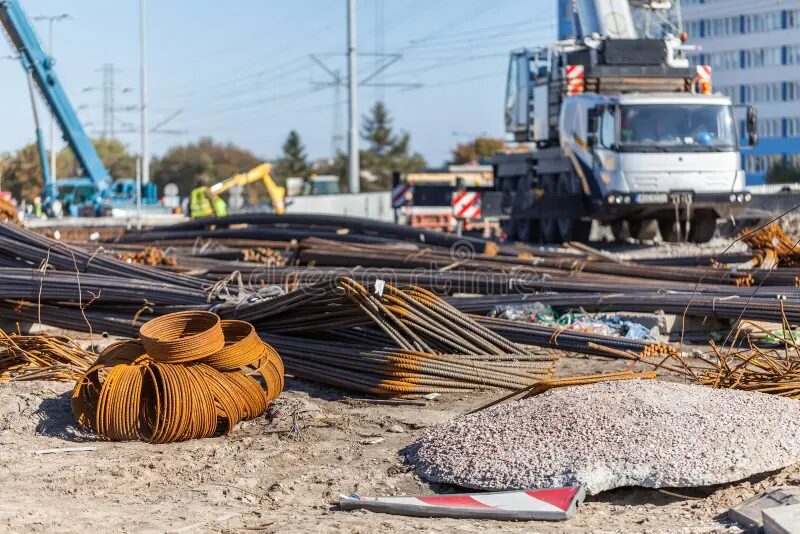 Reinforcement installed on site, including prefabricated cages, placed according to detailing drawings and prepared for concrete casting.
Welding of reinforcement is only permitted for specific steel grades and must follow approved procedures. In European practice, steel production is treated as a separate process, while rebar fabrication focuses on detailing, cutting, bending, and assembly based on approved drawings.
Benefits of Professional Rebar Fabrication Services
Working with a professional rebar fabrication provider delivers multiple advantages for construction projects.
Key benefits include:
- improved accuracy and consistency
- reduced construction time
- minimized material waste
- better coordination with design teams
- enhanced site safety
Pre-fabricated reinforcement arrives on site ready for installation, reducing delays and ensuring compliance with approved drawings.
Common Challenges in Rebar Fabrication
Despite its advantages, rebar fabrication presents several challenges that must be managed carefully.
Common challenges include:
- maintaining precision at high volumes
- preventing corrosion during transport and storage
- coordinating fabrication schedules with construction timelines
- managing last-minute design changes
Experienced fabricators address these challenges through digital coordination, quality control, and close collaboration with project stakeholders.
Rebar Fabrication for Modern and Industrial Projects
Modern construction projects such as industrial facilities, infrastructure, and data centers place increasing demands on rebar fabrication. These projects often require high-strength concrete, dense reinforcement layouts, and tight construction schedules.
In such projects, rebar fabrication supports: prefabricated structural systems, BIM-based coordination, accelerated construction cycles and standardized reinforcement solutions.
Accurate fabrication is essential for ensuring compatibility with prefabricated elements and factory production processes.
Future Trends in Rebar Fabrication
The future of rebar fabrication is shaped by automation, digitalization, and sustainability.
Key trends include:
- automated cutting and bending systems
- BIM-integrated rebar detailing
- increased use of recycled steel
- development of advanced alloys
- smart rebar with monitoring capabilities
These innovations improve efficiency, reduce errors, and support long-term structural health monitoring.
Conclusion
This is essential element of modern construction, directly influencing strength, durability, and safety. Through precise manufacturing processes, advanced equipment, and rigorous quality control, professional rebar fabrication ensures that reinforcing steel performs as intended throughout the life of a structure.
Successful fabrication starts long before steel reaches the fabrication shop. It begins with accurate rebar detailing that ensures constructability, coordination, and efficiency across all phases of construction. At NS Drafter, we support contractors and fabricators by delivering precise rebar detailing and fabrication-ready drawings that reduce errors, streamline production, and improve on-site performance.
By combining technical expertise with clear coordination between design and fabrication, projects can achieve higher quality, faster execution, and long-term structural reliability.
Frequently Asked Questions
Why is rebar fabrication process important in construction?
** Rebar fabrication is important because it ensures concrete structures have sufficient tensile strength, reduced cracking, and long-term durability, improving overall structural safety.
What is the difference between rebar fabrication and rebar installation?
** Rebar fabrication involves preparing reinforcement in a factory or fabrication shop, while rebar installation refers to placing and fixing the fabricated rebar on site before concrete is poured.
How does rebar fabrication process improve construction quality?
** Professional rebar fabrication improves accuracy, consistency, and fit of reinforcement, reducing errors on site and ensuring proper load distribution within concrete elements.
What types of projects require rebar fabrication?
** Rebar fabrication is used in residential buildings, commercial structures, bridges, infrastructure projects, industrial facilities, and large-scale developments such as data centers.
How long does the rebar fabrication process take?
** The duration depends on project size and complexity, but professional rebar fabrication typically ranges from a few days to several weeks, including detailing, cutting, bending, and quality control. ### If you’d like to learn more about rebar fabricators, you can read here: /why-are-rebar-fabricators-crucial-for-construction/ /how-we-help-rebar-fabricators/